
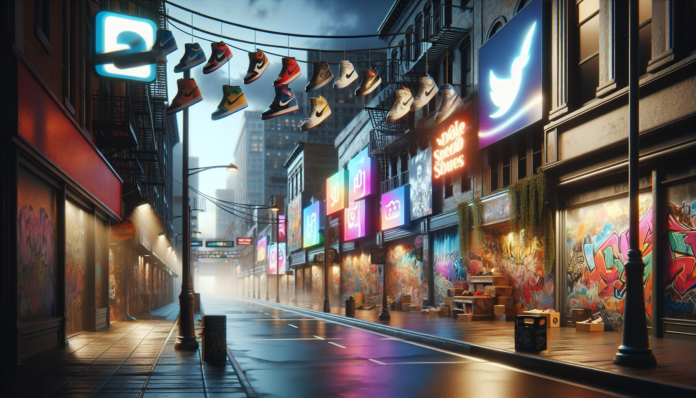

In recent years, street aesthetics have taken the digital world by storm. From Instagram to TikTok, urban visuals filled with vibrant graffiti, casual streetwear, and everyday life resonate with a diverse audience. This article explores why street aesthetics dominate digital platforms and how they connect with users on a deeper level.
The Rise of Street Aesthetics
Street aesthetics refer to the visual representation of urban life, encompassing fashion, art, architecture, and culture found in city streets. They provide an authentic snapshot of life as it is—unfiltered and true to its surroundings. Here are a few reasons why these aesthetics are becoming so prominent:
1. Authenticity and Relatability
In an age where polished images often dominate social media, street aesthetics offer a breath of fresh air. They present real-life moments that people can relate to. Instead of curated perfection, viewers are drawn to the rawness and spontaneity of urban environments.
- Genuine experiences: Street aesthetics often feature ordinary people and everyday locations.
- Emotional connections: Viewers find comfort in the familiarity of urban life, fostering a sense of community.
2. Diversity and Inclusion
Street aesthetics celebrate diversity by showcasing different cultures, styles, and perspectives. This inclusivity makes urban visuals appealing to a broader audience. Here’s how diversity plays a role:
- Cultural representation: Street art and fashion often reflect various cultural backgrounds, uniting different communities.
- Unique styles: Urban fashion allows for individual expression, encouraging people to curate their unique looks.
The Impact of Social Media
Social media platforms have been instrumental in spreading street aesthetics. Visual-heavy platforms like Instagram, Pinterest, and TikTok are prime venues for showcasing urban culture. Here are a few key impacts:
1. Enhanced Visibility
The prevalence of hashtags related to street aesthetics allows for greater visibility. Whether it’s #StreetArt or #UrbanFashion, these tags enable users to discover new content easily, leading to:
- Viral trends: Unique street styles often go viral, influencing fashion and art scenes.
- User-generated content: Followers are inspired to share their interpretations, creating a vast network of urban visuals.
2. Community Building
Social media encourages the formation of niche communities centered around street aesthetics. These communities foster engagement and promote cultural exchange. Some examples include:
- Collaborative projects: Artists and influencers often collaborate, bridging gaps between different genres of street culture.
- Local meetups: Followers may participate in local events, strengthening connections in real life.
Street Aesthetics in Fashion
Fashion heavily influenced by street aesthetics is on the rise. By merging comfort and creativity, urban styles have revolutionized how we view clothing. Key aspects include:
1. Comfort Meets Style
Street fashion prioritizes comfort, making it popular among younger generations. Brands focusing on street aesthetics often merge high fashion with casual wear, exemplifying:
- Versatile pieces: Comfortable yet trendy outfits can easily be worn for various occasions.
- Affordable options: Many streetwear brands emphasize accessibility without compromising style.
2. Statement-Making Choices
Street aesthetics encourage individuality, allowing people to express themselves through their clothing. This manifests in:
- Bold prints and graphics: Unique designs stand out in crowd, making a statement about personal identity.
- Layering techniques: Mixing and matching various styles showcases creativity and personal flair.
The Role of Art in Street Aesthetics
Art plays a significant role in street aesthetics, often found in murals, graffiti, and installations across urban environments. Here’s how art enhances this aesthetic:
1. Storytelling Through Visuals
Street art tells stories and conveys messages. Many artists use public spaces to share their thoughts on social issues, personal experiences, and cultural heritage.
- Engaging narratives: Art pieces prompt conversations and reflection about urban challenges.
- Cultural commentary: Artists provide insight into societal issues, fostering dialogue and awareness.
2. Transforming Spaces
Street art beautifies public spaces and often revitalizes neglected areas. This transformation can lead to:
- Community pride: Vibrant murals attract visitors and residents alike, enriching community identity.
- Tourist attraction: Unique art spots can enhance local economies by drawing tourists.
Conclusion: Embracing Street Aesthetics
Street aesthetics dominate digital platforms because they resonate with authenticity, diversity, and creativity. These urban visuals create connections among users, inviting participation in a shared cultural experience. As we move forward, the influence of street aesthetics will likely continue to grow, shaping how we perceive and engage with culture in the digital landscape. Embracing this aesthetic not only enriches our lives but also fosters a sense of community, making our urban environments more vibrant and alive.