
How Street Culture Becomes Global Entertainment
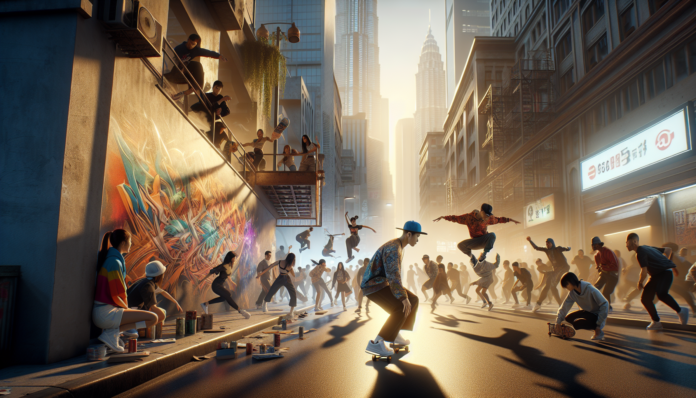
Street culture is a vibrant and dynamic expression of creativity that has made its way into the mainstream. Initially rooted in local communities, it has evolved into a critical aspect of global entertainment. This transformation shows how the unique elements of street culture resonate with diverse audiences, driving widespread engagement and entertainment.
The Evolution of Street Culture
From Local to Global
Street culture began in urban areas, often characterized by music, dance, fashion, and art forms like graffiti. Over time, these local expressions found their way into global entertainment through various channels such as social media, music festivals, and television.
- Music: Genres like hip-hop, reggaeton, and street dance have gained international popularity.
- Art: Street artists have become renowned figures, with their work showcased in galleries globally.
- Fashion: Streetwear brands have emerged, influencing high fashion and leading to collaborations with luxury designers.
These elements illustrate how street culture goes beyond borders, capturing global imagination.
The Role of Technology
Technology plays a crucial role in the spread of street culture. The rise of social media platforms has allowed artists, musicians, and dancers to share their work instantly.
- YouTube: A stage for music videos and dance challenges that attract millions.
- Instagram and TikTok: Platforms where trends can explode overnight, showcasing street fashion and dance.
This digital landscape enables artists to connect with a vast audience, converting local street culture into a global phenomenon.
Key Elements of Street Culture in Global Entertainment
Music and Dance
Music is a powerful aspect of street culture. Genres rooted in urban environments are often reflective of societal issues, allowing them to resonate with listeners worldwide.
- Hip-Hop: Once an underground movement, it is now a dominant force in global music charts.
- Dance Styles: Street dance forms like breakdancing and krumping have become staples in international dance competitions.
These musical and dance expressions have transcended their origins, influencing artists globally and inspiring new movements.
Fashion Influence
Streetwear has become synonymous with youthful style and rebellion.
- Street Brands: Companies such as Supreme and Off-White have redefined street fashion, becoming icons in their own right.
- Celebrity Collaborations: Influencers and celebrities often wear streetwear, cementing its status in mainstream culture.
This fusion of street style with high fashion generates an exciting dynamic, making it appealing to both markets.
Visual Arts
Street art, often viewed as vandalism, has gained acceptance as a legitimate art form.
- Murals and Graffiti: They tell powerful stories about communities and the world at large.
- Art Exhibitions: These works are now featured in prestigious galleries, elevating street culture to a more recognized status.
The acceptance of street art challenges traditional art narratives, making it an essential part of the entertainment landscape.
Global Events Embracing Street Culture
Music Festivals
Events like Coachella and Glastonbury showcase street culture through various genres.
- Diversity: Artists from different backgrounds share stages, highlighting street culture’s global reach.
- Community: These festivals foster a sense of belonging among attendees, reflecting the communal spirit of street culture.
Dance Competitions
World-renowned competitions, such as the Red Bull Dance Your Style, emphasize street dance’s global influence.
- Talent Showcase: Dancers from all over the globe come together, celebrating different styles and skills.
- Cultural Exchange: These competitions encourage cultural exchange, further blending local and global elements.
The Impact of Street Culture on Entertainment
Economic Influence
Street culture holds significant economic value in the entertainment industry.
- Merchandising: From clothing lines to music sales, street culture generates substantial revenue.
- Tourism: Cities known for their street culture draw tourists, eager to experience the local scene firsthand.
This economic impact supports local communities while contributing to the global entertainment economy.
Social Change
Street culture often addresses societal issues, making it a platform for change.
- Activism: Artists use their influence to raise awareness about political and social topics.
- Community Building: Through collective creativity, street culture fosters solidarity and understanding among diverse groups.
This aspect highlights the power of street culture not just as entertainment but as a vehicle for meaningful dialogue.
Conclusion
Street culture has transformed from local roots to a global sensation in entertainment. Its music, dance, fashion, and art resonate worldwide, demonstrating that creativity knows no boundaries. As technology continues to evolve, the future of street culture in global entertainment promises even greater opportunities for connection and expression.
By embracing these unique elements, global audiences can look forward to a rich tapestry of creativity that fuels both emotional engagement and social change. The journey of street culture has only just begun, and its influence is set to grow even stronger in the years to come.