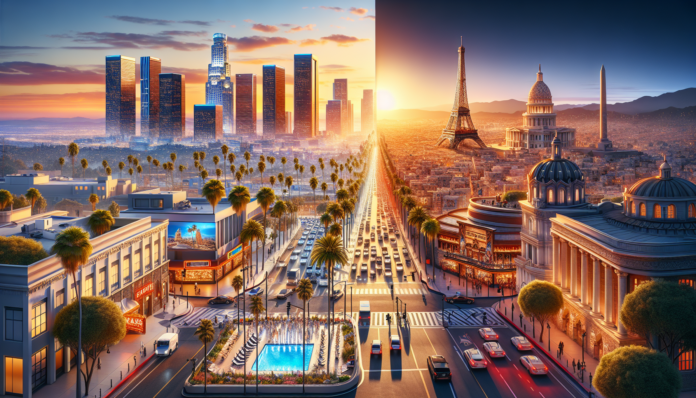

Los Angeles is a city that stands out not just in the United States, but globally. Known for its vibrant entertainment scene, diverse population, and unique culture, LA is often compared to famous European cultural centers like Paris, London, and Rome. While both LA and these European cities hold immense artistic and cultural significance, they differ greatly in various aspects, including history, lifestyle, and artistic expression. This article explores these differences, shedding light on how Los Angeles shapes its own cultural identity.
A Brief Historical Overview
Los Angeles: A Unique Development
Los Angeles began as a small Spanish settlement in 1781 and grew into the sprawling metropolis it is today. Its history includes the Gold Rush, the establishment of Hollywood, and significant influences from different immigrant communities. This melting pot history contributes to a constantly evolving cultural landscape.
European Cultural Centers: Rooted in Tradition
In contrast, European cultural centers have histories that span thousands of years. Cities like Paris and Venice boast medieval architecture, centuries-old art, and long-standing traditions. These cities serve as repositories of classical art and literature, which have significantly shaped Western civilization.
Cultural Expression: Different Mediums and Messages
The Hollywood Influence
Los Angeles is synonymous with Hollywood, the heart of the film industry. The influence of movies, television, and pop culture can be seen in every corner of the city. From movie premieres on the Walk of Fame to themed attractions, the entertainment industry serves as a focal point for cultural expression in LA.
European Arts: Diverse and Timeless
European capitals like Florence and Vienna are celebrated for their contributions to classical music, fine arts, and architecture. Museums like the Louvre and the Uffizi Gallery house some of the world’s most famous artworks. While LA focuses more on modern media, Europe prides itself on a rich legacy of art and culture that spans centuries.
Lifestyle and Urban Experience
The LA Lifestyle: Casual and Diverse
Life in Los Angeles is often characterized by a laid-back lifestyle. The warm climate allows for outdoor activities year-round. The city’s neighborhoods reflect diverse cultures, offering everything from street food to high-end dining.
- Beach culture: A vital part of LA life.
- Outdoor activities: Hiking, biking, and surfing are popular.
European Urban Experience: Structured and Historic
In contrast, European cities tend to have a more structured urban experience. Walking through the streets of Paris or Barcelona is like traversing through history. The urban layout encourages exploration on foot, with cafes and public squares fostering social interaction.
- Rich cultural events: Music festivals, gallery openings, and historic celebrations are common.
- Emphasis on public spaces: Parks and plazas are central to daily life, promoting community engagement.
Culinary Diversity: A Taste of Two Continents
Los Angeles Cuisine: Fusion and Innovation
The culinary scene in Los Angeles is a true reflection of its cultural diversity. You can find everything from traditional Mexican tacos to Asian fusion dishes and artisanal cafés.
- Food trucks: A symbol of LA’s innovative food culture.
- Farmers’ markets: Showcase local produce and global flavors.
European Gastronomy: Tradition Meets Excellence
European culinary traditions are often deeply rooted in history. Countries like Italy and France uphold their regional dishes, emphasizing local ingredients and time-honored recipes.
- Fine dining: Michelin-star restaurants are prevalent in cities like Paris and London.
- Culinary heritage: Recipes passed down through generations maintain continuity in taste.
Artistic Scene: From Streets to Stages
Los Angeles: A Hub for Diverse Art Forms
Los Angeles is known for its eclectic artistic scene. Galleries, street art, and performance art installations provide a platform for both emerging and established artists.
- Street art: The vibrant murals of Venice and Downtown LA.
- Film festivals: Celebrating independent filmmakers and new artistic voices.
Europe’s Rich Artistic Heritage
European cultural capitals boast a wealth of traditional art forms including opera, ballet, and classical music. Institutions like the Vienna State Opera exemplify the dedication to preserving classical arts.
- Historic theaters: Places like La Scala in Milan are iconic.
- Art festivals: Events such as the Venice Biennale draw international attention.
Technological Innovation vs. Timeless Tradition
LA and the Tech Sphere
Los Angeles has embraced technology, becoming a leader in areas like digital media and film production. The tech-savvy youth combine creativity with technology, resulting in new forms of cultural expression.
Tradition in European Centers
While European cities also innovate, they often focus on maintaining historical significance. Technology complements culture rather than overshadowing it. The blend of past and future aims for harmony rather than change.
Conclusion: A Cultural Identity All Its Own
Los Angeles and European cultural centers each boast unique identities shaped by their histories, lifestyles, and artistic expressions. While LA thrives on modernity and diversity, cities like Paris and Rome hold tightly to their rich traditions and legacies.
Understanding how these cultural hubs differ not only enriches our appreciation of art and society but also highlights the various ways culture can manifest globally. As we look to the future, both Los Angeles and European cultural centers will continue to evolve, offering new experiences and insights into the human experience. Each city, with its unique narrative, enriches our global tapestry, inviting people from around the world to explore, appreciate, and engage in an ever-expanding cultural dialogue.