

This Content Is Only For Subscribers
Why Los Angeles is Slower Than It Looks
Los Angeles, the City of Angels, is known for its sprawling landscapes, sunny weather, and vibrant culture. However, many residents and visitors find that navigating this city can be slower than it appears. In this article, we’ll explore the various reasons behind the perceived sluggishness of Los Angeles, offering insights for both newcomers and long-time inhabitants.
The Challenge of Traffic Congestion
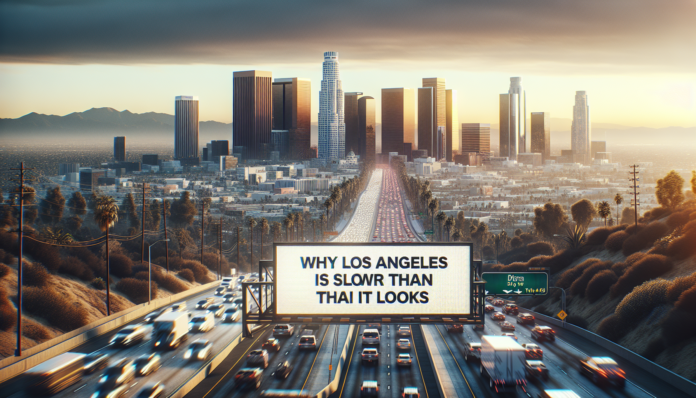
Traffic is perhaps the most notorious issue in Los Angeles. The city is famous for its highways and picturesque roadways, but the reality is that they are often packed.
- High Population Density: With millions of people living and working in the area, the roads become overcrowded.
- Dependence on Cars: While LA has a metro system, many still rely on cars for their daily commute. This increases the volume of vehicles on the roads.
- Frequent Road Construction: With ongoing improvements and repairs, many highways face closures and detours, adding to the congestion.
Urban Design and Layout
Los Angeles is not designed like many other major cities. Its urban layout contributes to the perception of slowness.
Sprawling City Limits
Unlike compact cities, Los Angeles covers a vast area:
- Widespread Suburbs: Many popular districts are separated by miles of suburban sprawl, increasing travel times.
- Lack of Walkability: Many areas lack sidewalks or are not pedestrian-friendly, leading to more reliance on vehicles.
Geographical Barriers
Los Angeles is also hindered by its geography:
- Mountains and Rivers: Natural barriers can complicate direct routes and force longer commutes.
- Coastal Constraints: The Pacific Ocean limits the area available for expansion, pushing development into surrounding regions.
Public Transportation Limitations
While Los Angeles has made strides in improving public transport, it still has room for growth.
- Metro System: The metro system is limited, with not all areas connected, requiring transfers that can lead to delays.
- Buses: While bus service is available, it may not run frequently, leading to longer wait times.
Cultural Attitudes Towards Time
The pace of life in Los Angeles is different from other cities, and cultural perceptions can contribute.
A Laid-Back Lifestyle
- Relaxed Approach: Many people in LA adopt a more relaxed attitude toward time. Being late is often accepted in social situations.
- Flexible Work Hours: Many businesses encourage flexible working hours, leading to staggered commutes that can further complicate traffic patterns.
The Role of Entertainment and Attractions
Los Angeles is home to numerous attractions that draw tourists and locals alike.
- Events and Festivals: Concerts, film premieres, and sporting events can lead to additional traffic fluctuations on busy days.
- Tourist Traffic: Popular spots like Hollywood and Santa Monica can become congested, impacting local commuters.
Weather Impacts
While sunny weather draws people outside, it can also have unexpected effects.
- Traffic Accidents: Clear skies can lead to increased driving speeds, resulting in more accidents that can cause delays.
- Seasonal Tourism: During peak tourist seasons, traffic often worsens due to increased visitor numbers.
Solutions for a Faster Experience
While it may seem like Los Angeles is destined to be slow, there are ways to navigate the city more efficiently.
Use Technology
- Navigation Apps: Utilize apps that provide real-time traffic updates to avoid congestion.
- Public Transport Apps: Check schedules and routes before heading out to save time.
Planning Your Routes
- Off-Peak Hours: Try to schedule commutes during less busy times of the day.
- Alternative Routes: Familiarize yourself with lesser-known roads that may offer quicker travel times.
Conclusion
Los Angeles may appear like a city of endless possibilities, but the reality is that its vastness and unique challenges slow down daily life. Understanding the factors that contribute to this perception can help residents and visitors navigate the city more effectively. Whether it’s embracing public transportation, planning trips during off-peak hours, or simply accepting the laid-back attitude, residents can find ways to embrace the slower pace of life in this iconic city. Adaptation and awareness are key to transforming your experience in Los Angeles, turning potential frustrations into easy, enjoyable journeys.